top of page

Editing Porfolio

While filling in as an editor for the health desk at Live Science, Kamal managed the full story lifecycle: sourcing and pitching leads, assigning them to writers, and polishing the final pieces for voice and clarity. His editorial beat covered a diverse spectrum, including neuroscience, drug discovery, and quirky stories like human reproduction in microgravity.

Contact him for editing requests at kamalnahas[dot]writing[at]gmail[dot]com

Scientists are trying to build a vaccine that works against almost any respiratory pathogen  — here's how close they are

vaccine.webp

A nasal spray in mice boosted lung immunity against viruses, bacteria and allergens — but a truly universal vaccine is still years away.

Isha Ishtiaq

Diabetes rates are lower in high-altitude environments ‪‪—‬ and scientists may have discovered why
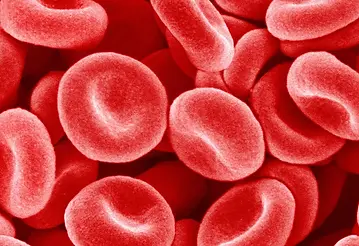
blood.webp

A new study finds that in low-oxygen environments, red blood cells absorb more glucose and convert it into a molecule that helps release oxygen into tissues, revealing an unexpected way the body regulates blood sugar.

Zunnash Khan

Scientists cured type 1 diabetes in mice by creating a blended immune system

diabetes.webp

By creating a hybrid immune system between the recipient and the donor, researchers were able to transplant insulin-producing cells that were not rejected.

Tia Ghose

Pig semen component could deliver chemotherapy to hard-to-reach eye cancer, mouse study suggests

eye_cancer_edited.jpg

Researchers showed that "exosomes" from pig semen may be used in a potential new treatment for retinoblastoma.

Eva Amsen

Synesthesia isn't just in your mind. The body reacts as if the colors were real.

synesthesia.webp

Pupil size in people with synesthesia changed depending on how bright or dark the perceived colors were.

Clarissa Brincat

Astronauts may struggle to reproduce in outer space, study suggests — what does that mean for the future of space colonization?

astronauts.webp

A new study found that microgravity simulated on Earth hindered sperm cell movement, egg fertilization and embryo development ‪—‬ findings that have serious implications for the future of space colonization.

Kenna Hughes-Castleberry

Brain aging results from a loss of control over how genes are regulated, mouse study suggests

brain_aging.webp

Aging may "erase" the epigenetic markers that control gene expression in the brain, and this may create a snowball effect.

RJ Mackenzie

Viruses in the gut may help prevent blood sugar spikes, mouse study hints

virome.webp

Intestinal viruses can activate immune cells that regulate carbohydrate metabolism, highlighting an overlooked role of the gut virome, a study in mice finds.

Sahana Sitaraman

A gene carried by 99% of humanity raises Alzheimer's risk dramatically. Could gene therapy correct it?

gene.webp

New research suggests that a single gene may play an outsize role in developing Alzheimer's, which suggests gene therapy for the condition could reach many people.

RJ Mackenzie

Should compulsive shopping and gaming be considered an addiction? Psychiatrists are considering expanding the definition

gambling.webp

Mental health professionals recognize problematic gambling as an addiction. Should the same apply to excessive gaming, compulsive sexual behavior and problematic social media use?

Clarissa Brincat

A single injection of mRNA-like treatment healed heart muscle after a heart attack in mice and pigs. Could it work in humans too?

heart.webp

Researchers boosted levels of a heart-healing hormone in mice and pigs with a single injection of a new, experimental form of self-amplifying RNA that prolonged hormone synthesis for many weeks.

Eva Amsen

'Rectal garlic insertion for immune support': Medical chatbots confidently give disastrously misguided advice, experts say

AI.webp

AI chatbots are seduced by misinformation that is delivered in medical jargon, leading them to give potentially dangerous advice.

Kerry Taylor-Smith

Single protein could dramatically alter trajectory of Alzheimer's disease

AD.webp

In people destined to get Alzheimer's in their mid-40s, one protein can delay the onset of the disease by about 20 years.

RJ Mackenzie

bottom of page